

What’s a food activist?
I have a broad, inclusive view of food activism. In my definition, food activism is about making empowered choices around food, in the widest sense.
Food activism isn’t one single thing. It can be about campaigning for animal welfare, or supporting businesses in the local food economy. Or growing some of your own food.

A cabbage of many names
Last weekend at the farmers’ market, Richard Cato handed me a couple of big, pale green and white, cylinder-shaped wong bok cabbages.
“What are your favourite recipes for these?” he asked.
This kind of Asian cabbage makes great salads. And kimchi. It’s also good in stir-fries and soups.
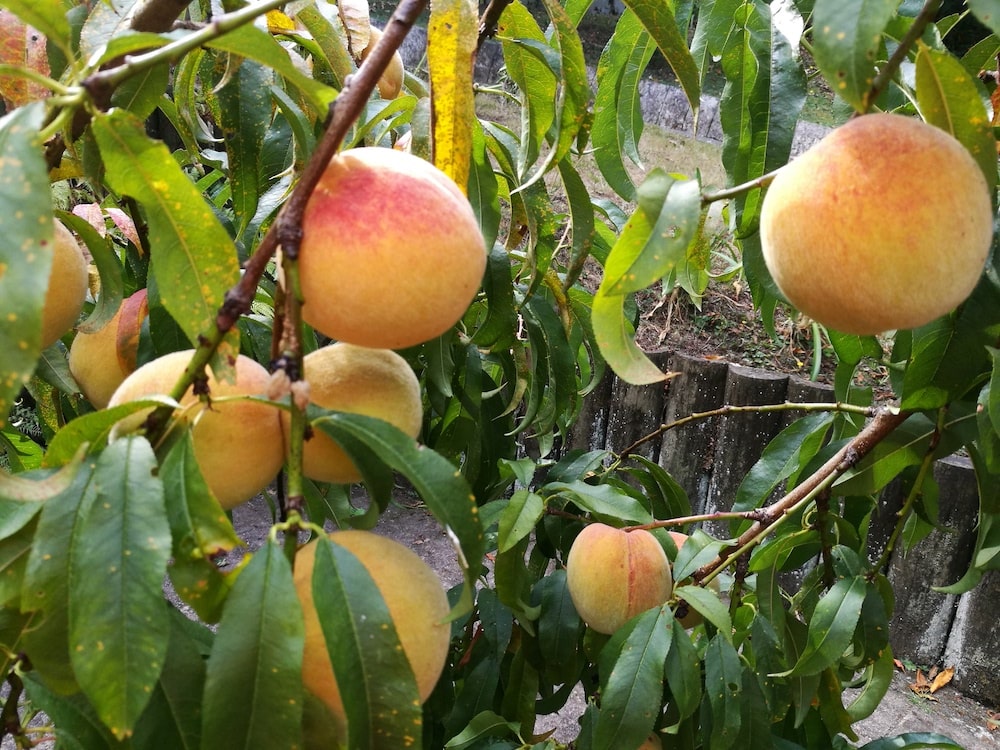
Peach dreams
When I was a kid in Papua New Guinea, I yearned for peaches.
In the tropics, fresh peaches were magical and unattainable.
This year my dreams have come true. My Hamilton backyard peach tree has been having a crazy, bumper crop.

Low-hanging loquats
The loquat tree on our driveway has been laden with fruit this year.
I’ve been loving the golden egg-shaped fruit. Loquats have a sour-sweet, aromatic and slightly astringent flavour that I especially enjoy.
Loquats are distantly related to quinces and apples. They’re easy to grow in the Waikato.

Elder generation
This winter I’ve been dreaming of elderflower champagne. It’s fun, and fizzy, and it reminds me of summer. It’s one of my favourite things.
Elderflowers and elderberries are great for making interesting and delicious beverages that sit at the intersection between drinks and European herbalism.

Easy beets
Beetroot is in season pretty much all year round in the Waikato. I love the amazing purple colour of beets, which some people unkindly call “lurid”. I love that beets can be used both cooked and raw.
And it’s such a thrifty plant. You can make two different vegetable courses out of one bunch of beets.
But, beetroot isn’t “fast food”.
You have to think ahead, to get the best out of beets.